None of us did.
Soon, Lesley Visser called me with Robin on her mind. I was struck by how each of us had reached out to connect as we did before text and social media came between us. We just wanted to talk, tell stories, and laugh together to ease our collective pain.
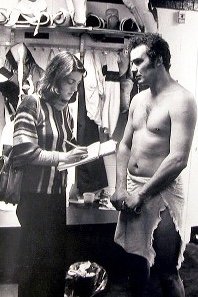
Lesley was the first woman The Boston Globe hired to write sports a few years after The New York Times hired Robin to be its first woman sportswriter. That morning, Lesley had said of Robin in the Globe: “When you’re the first, you know you’re doing it for everybody, and boy, she was the perfect role model. … [she was] iron under velvet. She was lovely, and yet she was not going to be abused.”
Then, I called Lawrie Mifflin, who’d been the first woman hired to write sports by New York’s Daily News, a few years after Robin. Assigned to pro hockey, as Robin was, Lawrie recalled Robin welcoming her, making her feel at home by selflessly sharing all she knew about this team, all the time knowing she and Lawrie would tell New Yorkers about the Rangers ‘ games for competing newspapers.
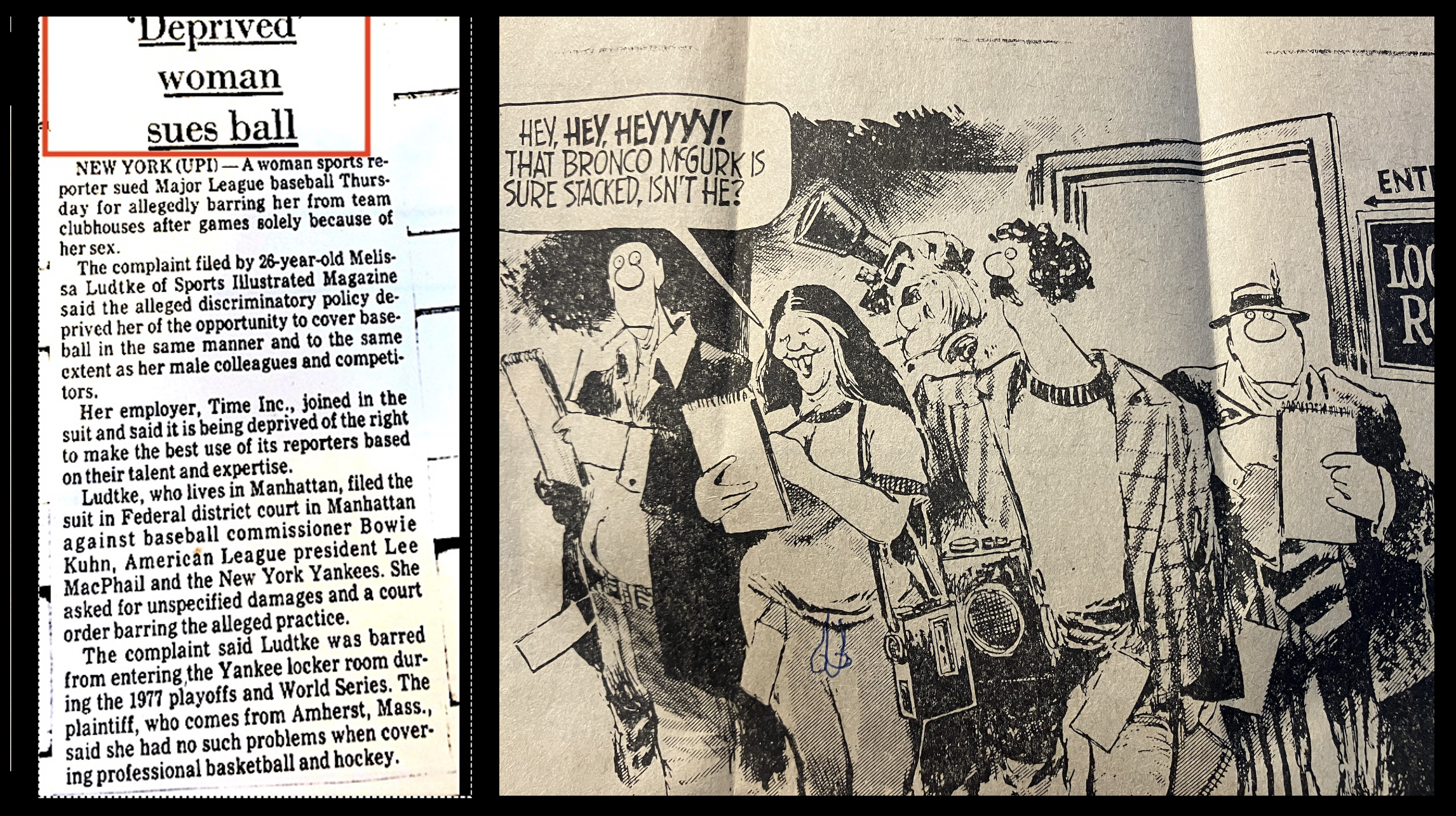
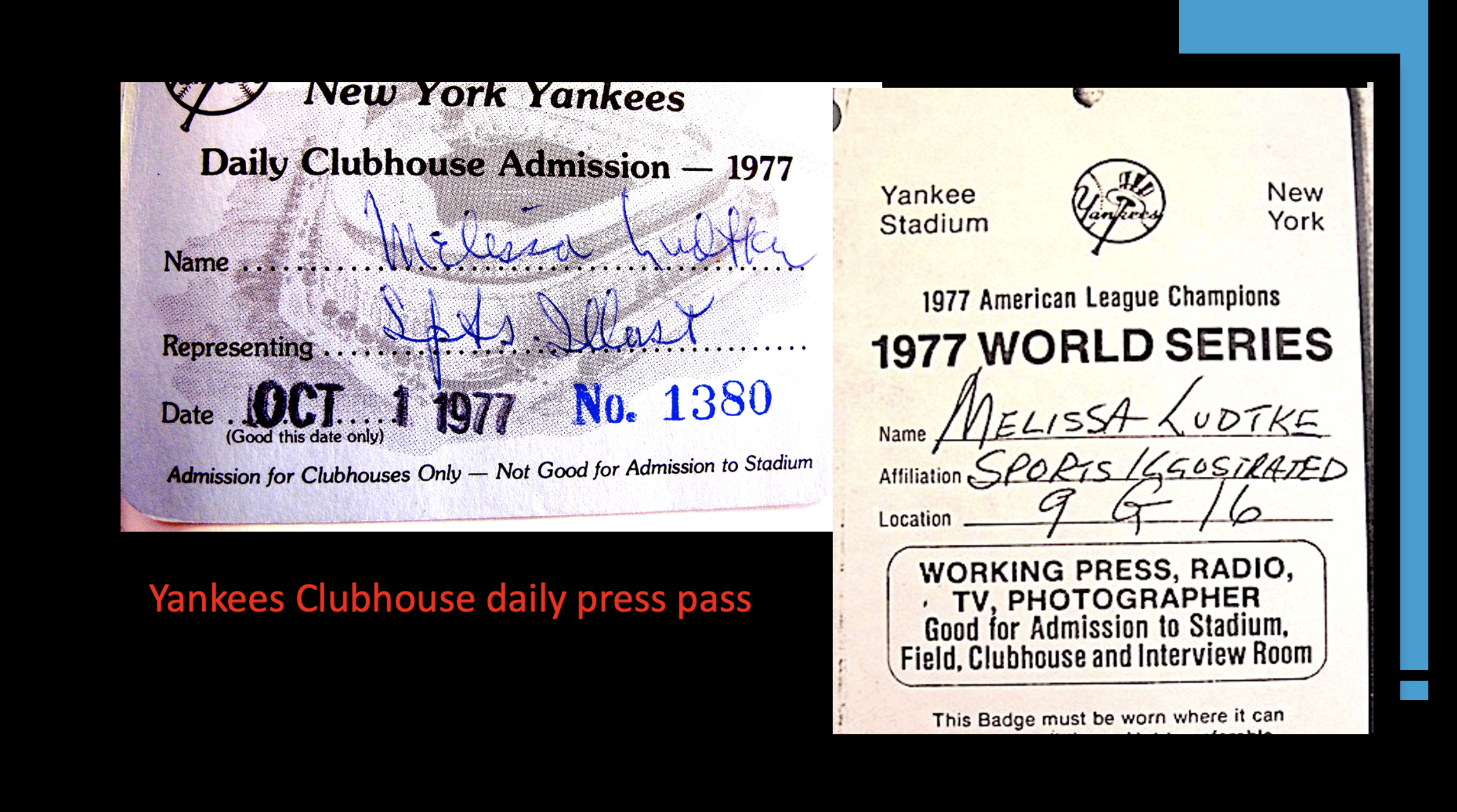
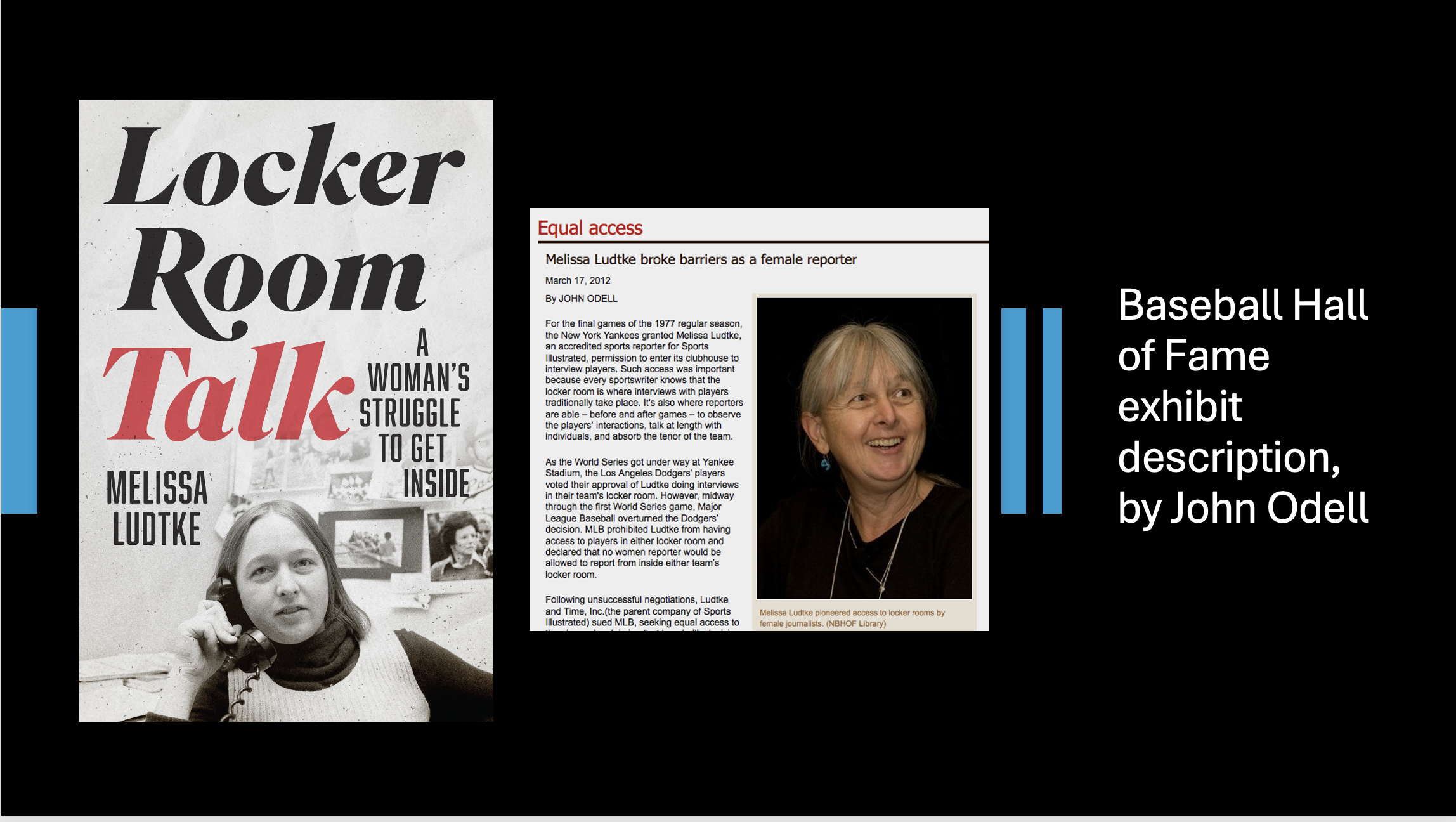
Robin. Jane. Lesley. Lawrie. And me, the first national woman baseball beat reporter when I worked for Sports Illustrated.
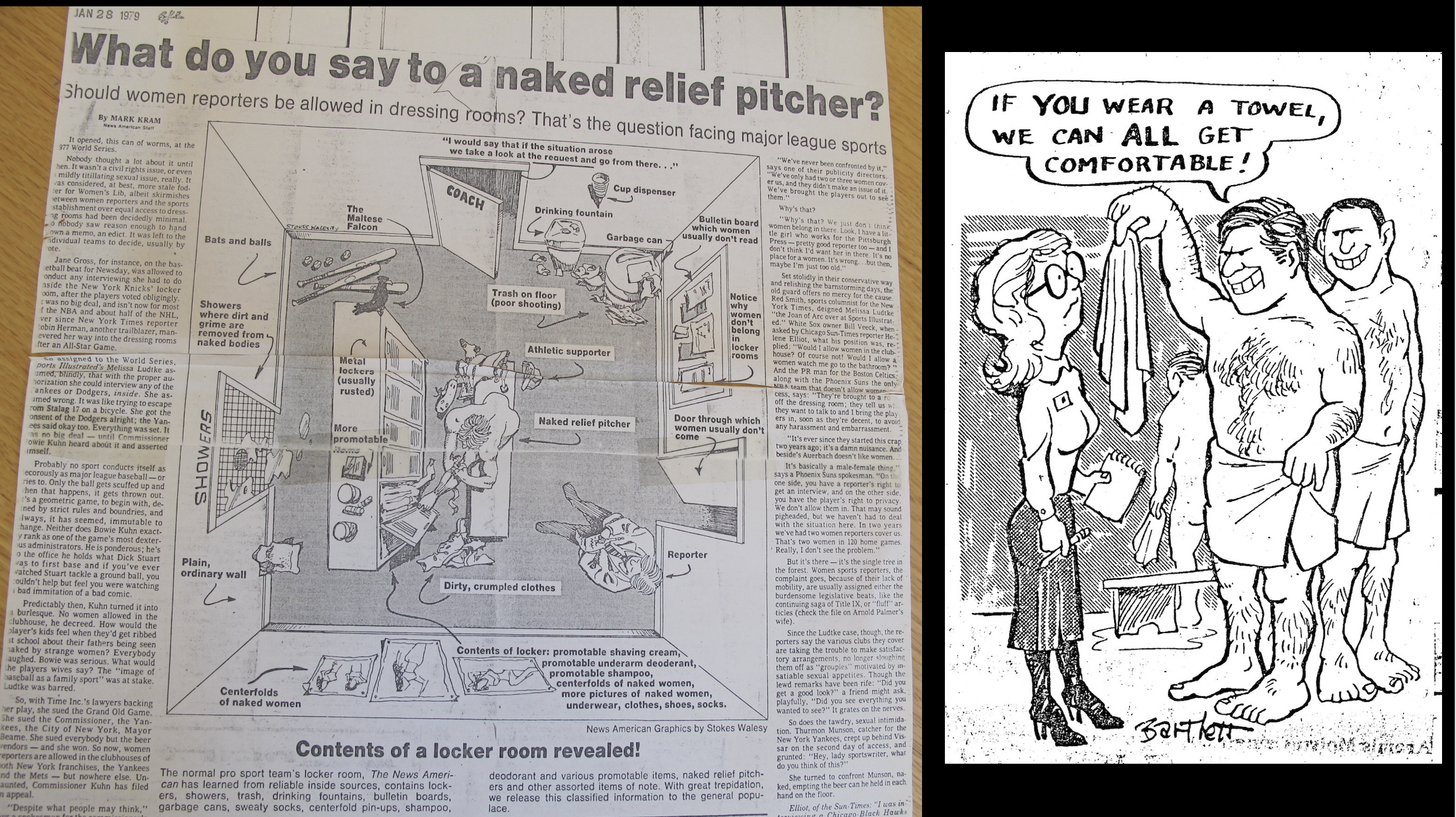
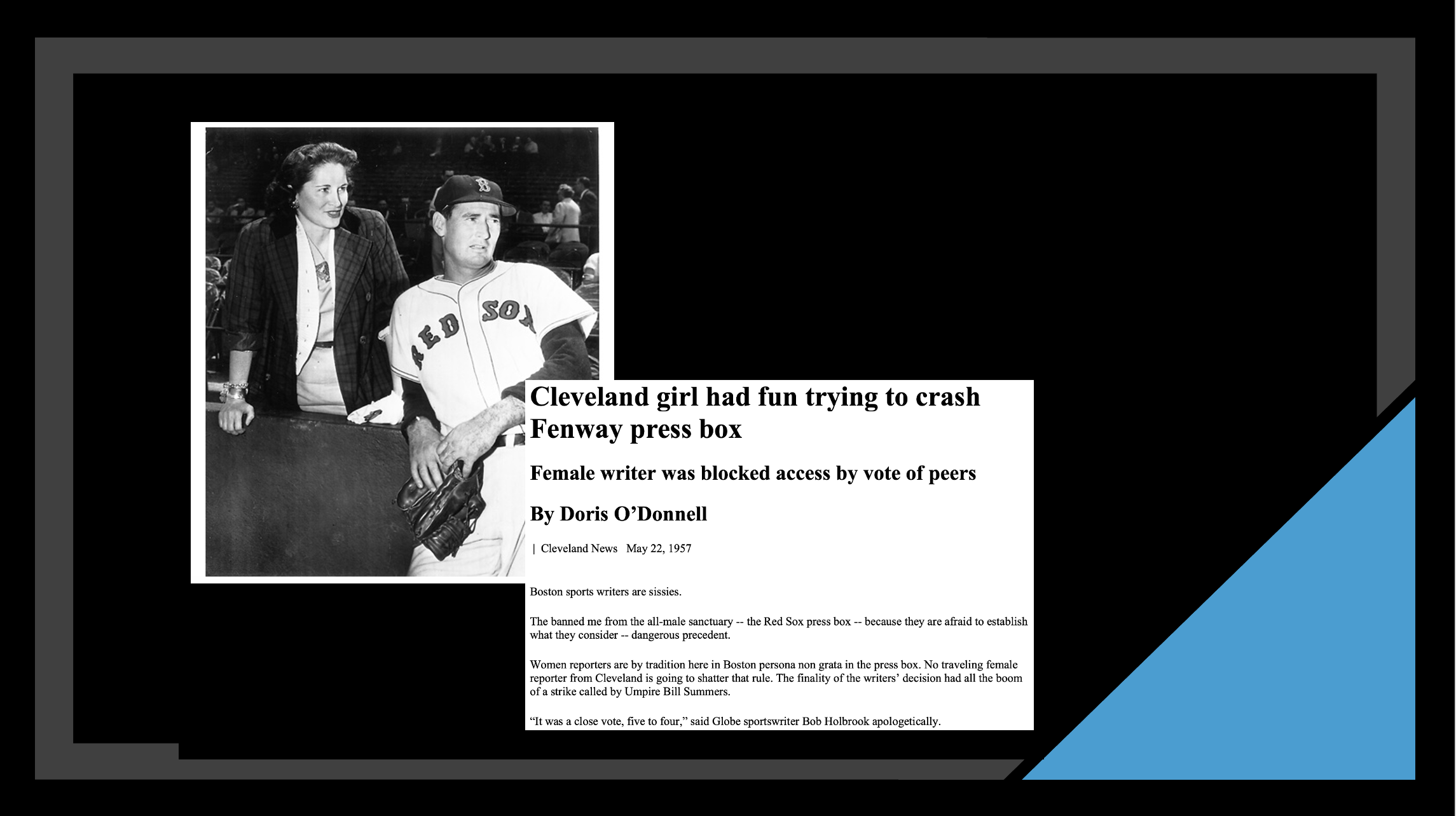
Despite gaps in time and the distance of our separations, we knew to whom to turn that morning. For what each of us endured, what we accomplished together, fills an important chapter in American’s ongoing fight for equal rights. For us, too, Robin’s death signals a reminder of how our generation is departing, and not too long in the future the threads of our collective memory will be untangled, thus rendering parts of this history threadbare.
It's why we tell our stories now.